
The machinist tool box: what belongs in it
How to stock and organize a machinist tool box — the measuring, marking, and setup tools that earn a drawer, and how to keep them findable.
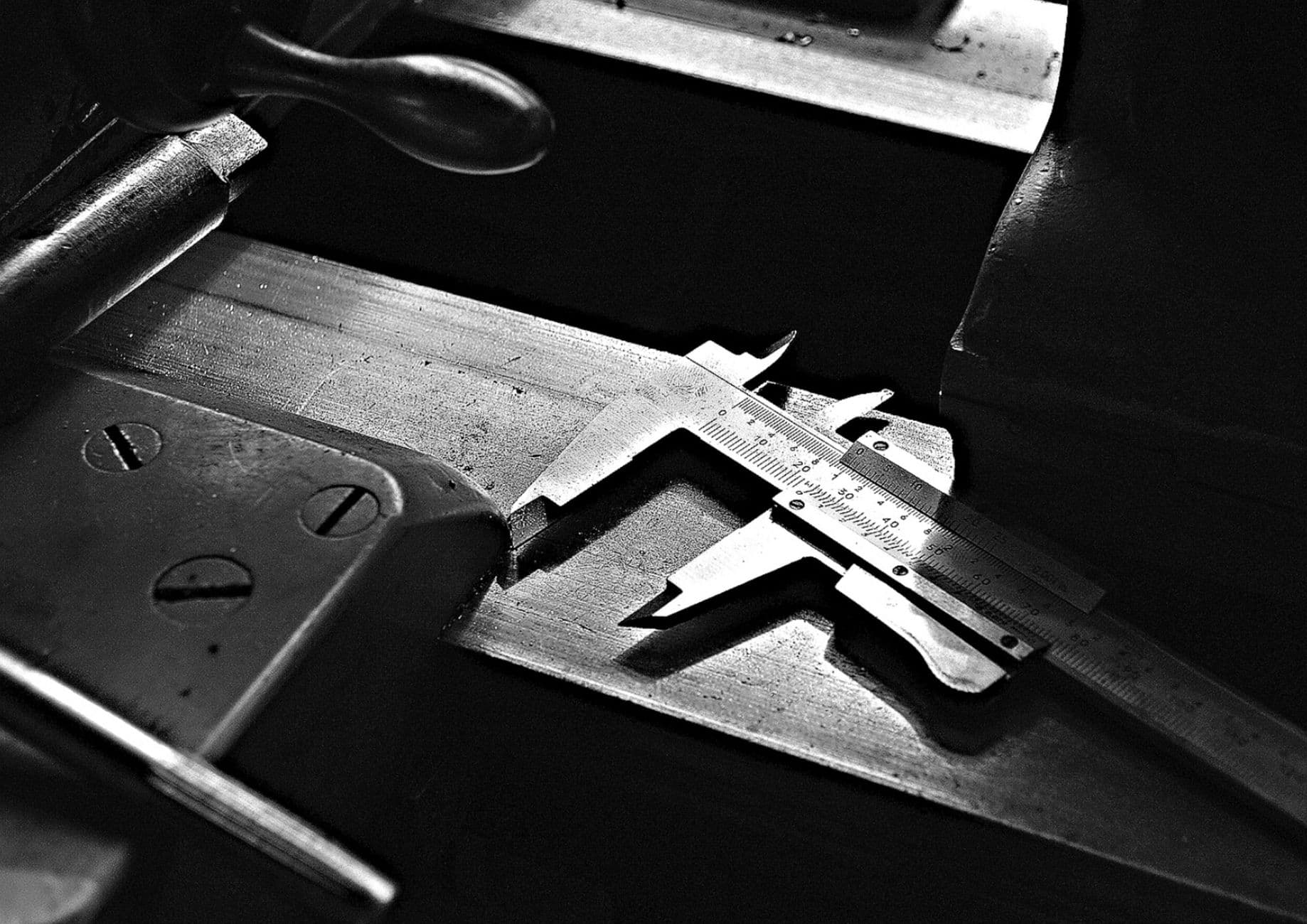
A machinist tool box isn't a box of tools. It's a box of precision — the measuring and setup gear that decides whether your parts come out to spec.
Which means what goes in it, and how it's organized, matters more than the chest itself. A gorgeous seven-drawer box full of the wrong stuff still makes bad parts. Here's how to stock one that earns its footprint, and keep it findable.
The precision core (buy these first)
Everything else is optional. These aren't.
- Calipers. Digital or dial, your everyday measurement. If you own one tool, it's this.
- A micrometer. When calipers aren't tight enough. A 0–25mm gets you started.
- A machinist's square and a combination square for checking 90° and laying out.
- A dial indicator with a magnetic base for tramming, runout, and comparing.
- Gauge pins or feeler gauges for holes and gaps calipers can't reach.
Keep these in the top drawer, padded, never rattling against each other. Precision tools that bang around drift out of calibration.
Marking and layout
The tools that put your plan onto the metal.
- Scriber and center punch for marking cut and drill lines.
- Layout dye (blue) so a scribed line actually shows.
- A steel rule — the humble one you'll reach for constantly.
- Transfer punches for copying a hole pattern.
Setup and workholding oddments
The little stuff that makes a setup go fast.
- Parallels, an edge finder, shims and spacers.
- Deburring tool — because every part comes off with a burr.
- A small hardware assortment so you're never stopped by a missing screw.
The tools that outlive the box
Here's the part most "what's in a machinist tool box" lists miss entirely. Your most valuable tools aren't steel — they're your measurements and your settings.
The finger-perfect fit you dialed in last month. The feeds and speeds that cut that alloy clean. The stock sizes you keep re-buying. Lose those and you re-derive them every job, which is its own kind of tax.
That's the case for a digital drawer alongside the physical one:
- Keep your part measurements in one place, in millimetres, so nothing gets re-measured or misremembered — that's what My Measurements is for, and here's why millimetres, always.
- Keep the machine settings that worked in a Settings Vault so the next run starts from proven numbers.
Your tool box holds what cuts the part. Your notes hold what makes it right the second time. Stock both.
Keep it findable
A tool you can't find fast, you won't use. Two habits:
- Shadow the drawers. Foam or printed inserts cut to each tool's outline — you see a gap instantly and everything has a home. (A laser-cut divider set does this cheaply.)
- One drawer, one job. Measuring in one, marking in another, workholding in a third. Muscle memory does the rest.
So — open your box. What's rattling loose that should be padded, and what's living in your head that should be written down? Fix those two and it's a real machinist tool box.
Frequently asked questions
- What should be in a machinist tool box?
- The precision core first: calipers, a micrometer, a machinist's square, a dial indicator with a magnetic base, and gauge pins or feeler gauges. Marking, layout, and workholding oddments fill out the rest.
- What is the one machinist tool to buy first?
- Calipers. Digital or dial, they're your everyday measurement — if you own one tool, it's this. Measure the stock, measure the cut, close the loop.
- How do I keep a machinist tool box organized?
- Shadow the drawers with foam or printed inserts cut to each tool's outline, and give each drawer one job — measuring in one, marking in another, workholding in a third. Keep precision tools padded so they don't rattle out of calibration.