
8 laser cut wooden box ideas worth making
Out of reasons to fire up the laser? Eight laser cut wooden box ideas — from a parts organizer to a hinged keepsake box — and how to size each one.
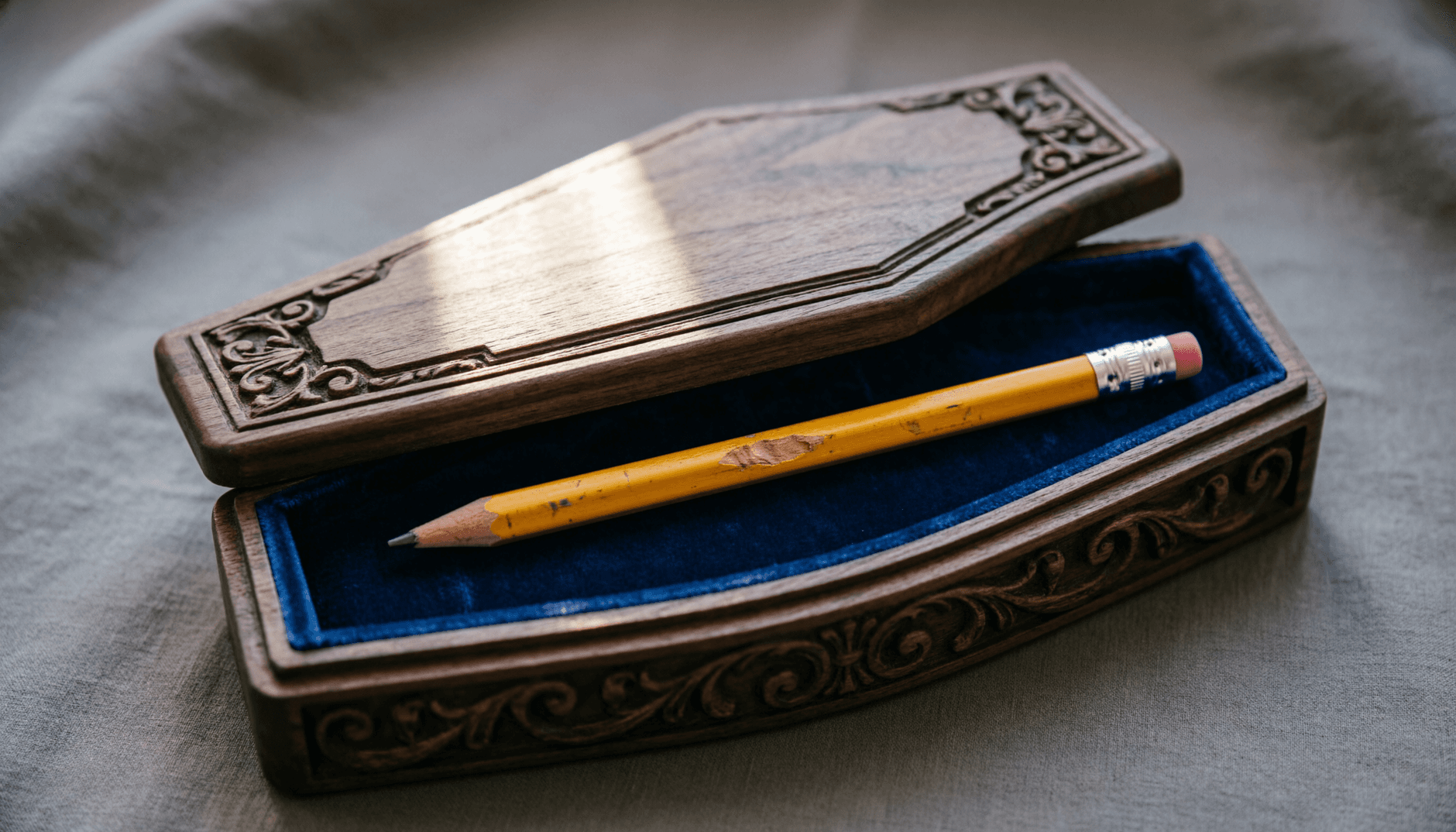
You've got a laser and a sheet of 3mm plywood. Now what?
A laser cut wooden box is the perfect answer — fast, useful, and endlessly variable. The joinery's the same every time; only the size and the details change. Once you can cut one box, you can cut all of these.
Here are eight worth making, roughly easiest to hardest, with a note on how to size each.
1. A parts organizer
The gateway project. A shallow box with a grid of dividers, sized to whatever's currently rolling around your bench — screws, SMD reels, drill bits. Size the pockets to the parts, not the other way around, and the box earns its keep the day it's done.
2. A gift or keepsake box
A lidded box, a little nicer than utilitarian. This is where laser cutting shines: you can engrave the lid with a name or a date in the same job that cuts the panels. Small enough to feel precious, around 120–150mm on a side.
3. A desk caddy
Pens, sticky notes, the phone-charging cable that's always missing. A few compartments of different heights turns a plain box into something that lives on a desk for years. Vary the divider heights so tall things stand and small things stay reachable.
4. A dice or card box
Board-game crowd, this one's for you. A snug box for a deck of cards or a fistful of dice, ideally with a friction-fit lid so it stays shut in a bag. Measure the cards, add 2mm all round, and you're there.
5. A drawer insert
Not a freestanding box — a tray sized to drop into an existing drawer and split it into sensible zones. Measure the drawer's inside, subtract a couple of millimetres for clearance, and divide from there. Cheap, and it makes a junk drawer look intentional.
6. A hinged-lid box
Step up in difficulty: instead of a lift-off lid, a lid on a living hinge or a small brass hinge. The box body is the same; the lid detail is the new skill. Great for a tea box or a small tool roll's hard case.
7. A stackable set
Three or four boxes that nest or stack, each a fixed increment bigger than the last. The trick is consistency — same wall thickness, same joint style, sizes that step cleanly. This is where saving a design and just changing the dimensions pays off enormously.
8. A wall-mount shadow box
The showpiece. A shallow, deep-framed box to display a model, a medal, a collection. Add a back panel and a couple of keyhole slots for hanging. Slower to design, but it's the one people ask about.
Sizing any of them
Every box on this list is the same joint with different numbers. The workflow doesn't change:
- Decide what goes in the box, and measure it.
- Work from inside dimensions, add a little clearance.
- Measure your actual sheet thickness with calipers.
Pick the project by what's annoying you right now. The best first box is the one that fixes a mess you already have.
The fastest way through all eight is a generator that remembers your material and sizes dividers for you — that's the Bad Ass Box Maker. Pick one off this list, measure the thing it's meant to hold, and cut it this afternoon. Which one's first?
Frequently asked questions
- What is the easiest laser cut wooden box to start with?
- A parts organizer — a shallow box with a grid of dividers sized to whatever's cluttering your bench. Same joinery as everything else, and it earns its keep the day it's done.
- What is a good size for a laser cut keepsake box?
- Around 120 to 150mm on a side feels precious without being fussy, and you can engrave the lid with a name or date in the same job that cuts the panels.
- How do I size a laser cut box to hold a specific thing?
- Measure what goes in it, work from inside dimensions, and add a little clearance — about 2mm all round is a safe default for things like cards or dice. Then measure your actual sheet thickness with calipers.