
CNC machining tools: what you actually need
A plain-English guide to the CNC machining tools that matter — endmills, workholding, and measuring gear — and which to buy first.
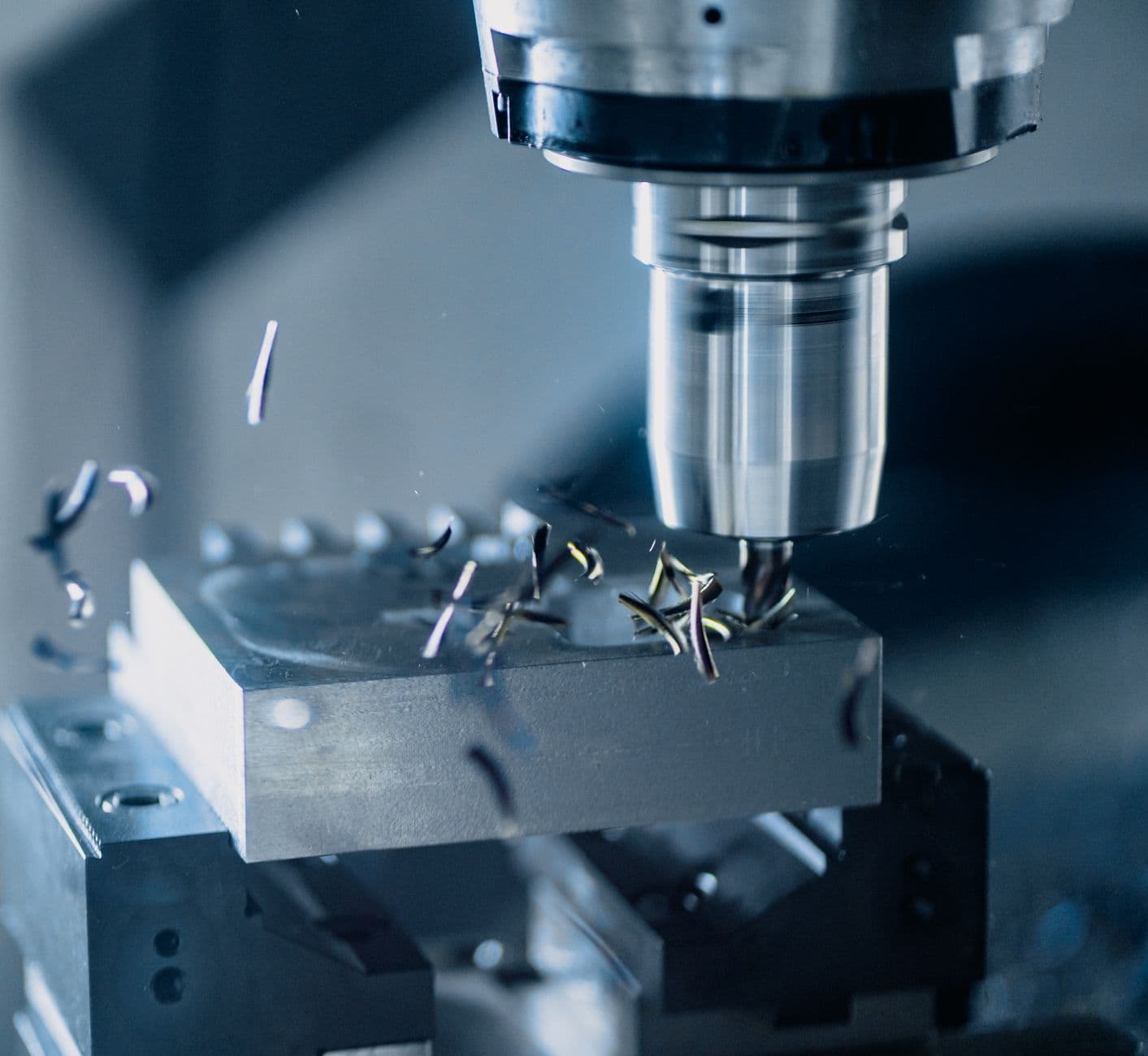
New CNC in the shop, and a hundred tabs open trying to figure out what to buy. Been there.
The good news: the list of CNC machining tools you actually need on day one is short. The rest is stuff you add when a specific job demands it. Here's the honest starter set — cutting tools, workholding, and measuring gear — and the order to buy it in.
Cutting tools: start narrow
The endmill does the cutting, and it's where beginners overspend. You don't need a wall of them. You need a few good ones for the material you actually cut.
- A couple of flat endmills in common sizes (say 6mm and 3mm). Two-flute for plastics and aluminum, more flutes for finish passes in metal.
- A ballnose or two if you're doing 3D contours; skip them if you're cutting flat parts.
- A V-bit if you'll engrave or chamfer.
Match the endmill to the material, not the other way around. A cheap carbide two-flute cutting MDF all day is fine; the same job in aluminum wants the right coating and the right chip load.
Buy two good endmills for the job in front of you, not twenty for jobs you imagine. You'll learn faster and waste less.
Workholding: the tools nobody photographs
The unglamorous half of CNC, and the half that decides whether your part survives. If the work moves, nothing else matters.
- Clamps and a fixture plate or T-track for holding stock down.
- A vise for smaller metal work.
- Painter's tape + CA glue — the cheap, brilliant trick for holding thin sheet stock without clamps in the cutting path.
- Soft jaws or a sacrificial spoilboard so you can cut all the way through without eating your bed.
Spend real attention here. Half of "the CNC messed up" is really "the part shifted."
Measuring and setup tools
You can't cut accurately what you can't measure.
- Calipers. Non-negotiable. Measure stock, measure the cut, close the loop.
- An edge finder or touch probe / tool-length setter to zero the machine reliably. Manual paper-shim zeroing works to start.
- A dial indicator for tramming the spindle square — worth it once you chase your first tapered cut.
The "tool" that ties it together: your numbers
Here's the one every list forgets. The most valuable CNC machining tool isn't in a drawer — it's the feeds, speeds, and settings you dial in for each material and cutter. Get those wrong and the best endmill in the world chatters, burns, or snaps.
Start conservative and adjust. Our feeds and speeds starting point gives you sane numbers to begin from, and the real skill is keeping the ones that work. That's what the Settings Vault is for — a saved calibration per material and tool so job number two starts from what already worked, not from guessing again. For the theory behind chip load, Provencut's feeds and speeds explainer is a solid deep dive.
Buy in this order
- Calipers and a couple of endmills for your material.
- Solid workholding.
- A repeatable way to zero.
- A place to save the settings that work.
That's a working CNC setup. Everything past it is earned by a job that needs it.
So — what's the first thing you're cutting, and in what material? Buy for that, and grow the drawer from there.
Frequently asked questions
- What CNC machining tools do I need first?
- A short list: calipers, a couple of flat endmills for your material (say 6mm and 3mm), solid workholding, and a repeatable way to zero. Everything past that is earned by a job that needs it.
- What is the most overlooked CNC tool?
- Workholding. If the part moves, nothing else matters — half of 'the CNC messed up' is really 'the part shifted.' Painter's tape plus CA glue is a cheap, brilliant hold for thin sheet stock.
- How many endmills do I actually need?
- Two good ones for the job in front of you, not twenty for jobs you imagine. Match the endmill to the material — two-flute for plastics and aluminum, more flutes for finish passes in metal.
- What is the most valuable CNC tool?
- The feeds, speeds, and settings you dial in per material and cutter. Get those wrong and the best endmill chatters, burns, or snaps — which is why saving the numbers that worked matters as much as the steel.